Ever caught yourself endlessly refreshing your social media feed, waiting for the next notification? Or obsessing over a game, eager to unlock the next level even when you know you should be doing something else? That pull is powered by a tiny neurotransmitter called dopamine.
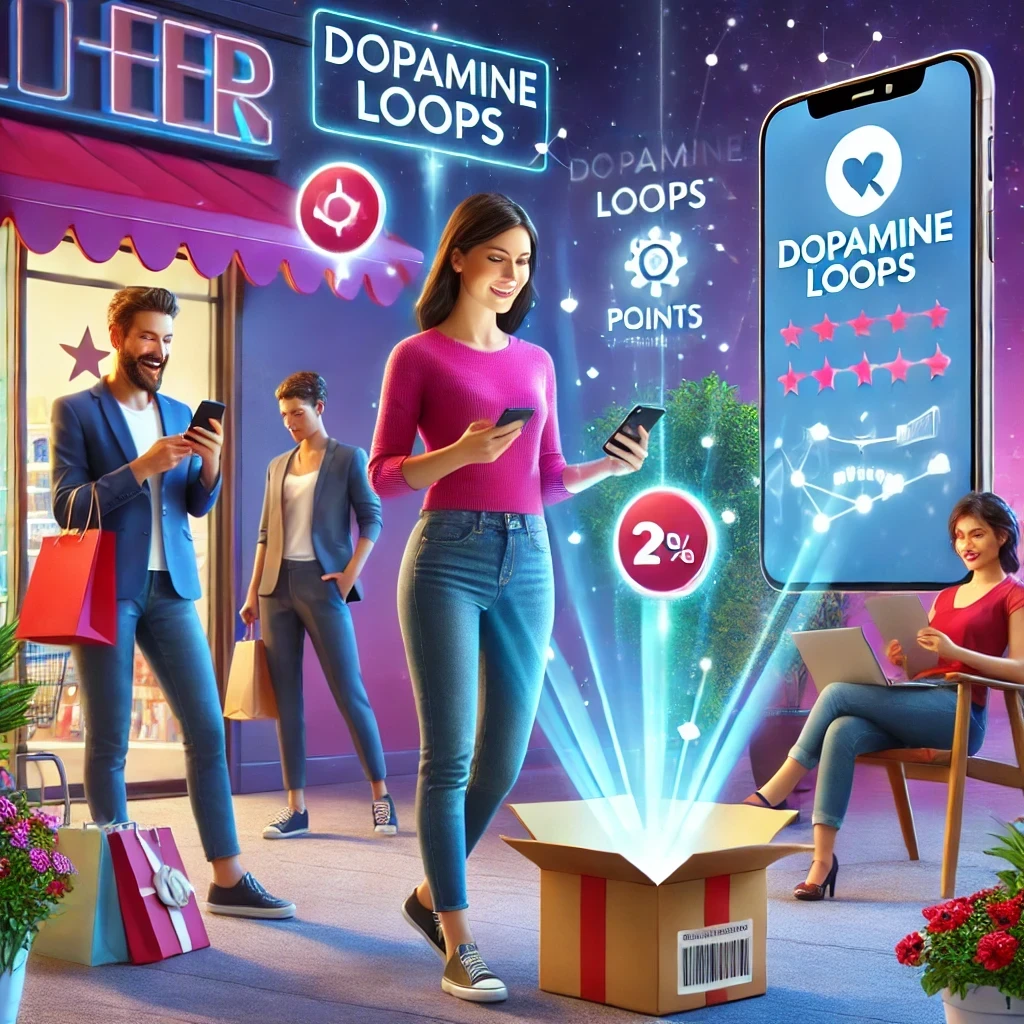
Dopamine is known as the brain’s “feel good” chemical. It's the driver behind motivation, reward, and the thrill of anticipation. In sales, dopamine loops—cycles of anticipation and reward—are a powerful tool to keep customers engaged and returning.
What Are Dopamine Loops?
A dopamine loop happens when anticipation leads to action, which is then rewarded, starting the cycle all over again. When your brain expects something good like a discount, a freebie, or a surprise gift, it releases dopamine. That rush makes you want to act, and once you do, the satisfaction keeps you coming back for more.
Why Small Wins Work Better Than Big Ones
Big rewards are nice but fleeting. Small, frequent wins create a steady flow of dopamine that keeps people engaged over time. This is why loyalty programs with point systems or milestone-based incentives are so effective.
- Instead of offering one massive discount per year, break it into smaller incentives for repeat engagement.
- Build progress milestones into the customer journey (e.g., bonus perks after 3 months, 6 months, and a year).
The Thrill of the Unexpected
People love surprises. When rewards aren’t predictable, the brain goes into overdrive. That’s why mystery boxes, surprise gifts, and limited-time bonuses create such excitement.
- Include a mystery item in customer orders (a surprise product or sample).
- Run random “thank you” campaigns for loyal customers.
The Anticipation Factor
Sometimes, the waiting is the best part. Dopamine is released during the anticipation stage, making countdowns, pre-orders, and sneak peeks incredibly effective.
- Tease new product launches with “coming soon” campaigns.
- Use countdown timers for sales or exclusive events.
Ethical Use of Dopamine Loops
Dopamine loops are powerful but should be used responsibly. The goal should always be to improve the customer experience, not exploit it.
- Focus on creating real value with rewards and incentives.
- Be transparent about how your programs work.
- Avoid pressuring customers into impulsive purchases.
When done right, dopamine loops can create positive interactions that keep customers excited to engage with your brand. By designing rewarding experiences with small wins, surprises, and anticipation, you can turn casual buyers into loyal customers who genuinely enjoy coming back for more.